Two funded plankton PhD opportunities at Plymouth University!

UPDATE (6 August 2015): The application process is open! Click on the project titles here for application instructions. Please contact me if you’d like to discuss in more detail. Good luck!


Two competitive, funded PhDships with me are about to be advertised at Plymouth University. The formal adverts won’t be out until next week but we want our students to start this autumn, so here’s a heads up. Please forward this on to any bright students who might be interested.

The first, “An indicator approach to integrating historical and contemporary ecological datasets: a century of plankton change in the NE Atlantic” is in collaboration with SAHFOS and will be jointly supervised by me (Director of Studies), Professor Martin Attrill (Plymouth University Marine Institute) and Mr David Johns (SAHFOS). The work will focus on linking up three plankton datasets (two of which are new and have never been used) to look at plankton indicators in the NE Atlantic during the past 100 years. The indicators will then be applied to policy scenarios, with results incorporated into the decision making process in the UK and Europe. The interdisciplinary aspects of the PhDship connect ecology, taxonomy, and conservation through marine policy and will further stakeholder (policy makers and society) understanding of key science-policy challenges. The student will develop skills in spatial and temporal analysis, analysis of large datasets, statistical techniques, plankton sampling and analysis methods, and application of science to policy. Through partnership with SAHFOS, the student will undergo training in basic plankton taxonomy and will develop an in depth understanding of CPR sampling and analysis methodologies. This work is highly publishable and we are looking for a student with multidisciplinary interests to carry it out. Click here for more information, or email me to set up an informal chat (abiqua at plymouth.ac.uk).

The second PhDship will be jointly supervised by Professor Jason Hall-Spencer (Plymouth University, Director of Studies) and myself. This studentship, entitled “The impact of CO2 emissions on plankton in the NE Atlantic”, uses natural CO2 seeps as a proxy for an ocean acidification-impacted marine environment. The student will investigate changes in the plankton community across a variety of CO2 and nutrient gradients. The studentship involves both experimental and field work and results will feed into decision making concerning use and conservation of the marine environment under future climate conditions. Click here for more information, or email Jason (jhall-spencer at plymouth.ac.uk) or myself (abiqua at plymouth.ac.uk) for an informal chat.

Good luck!

Abigail, Plankton and Policy

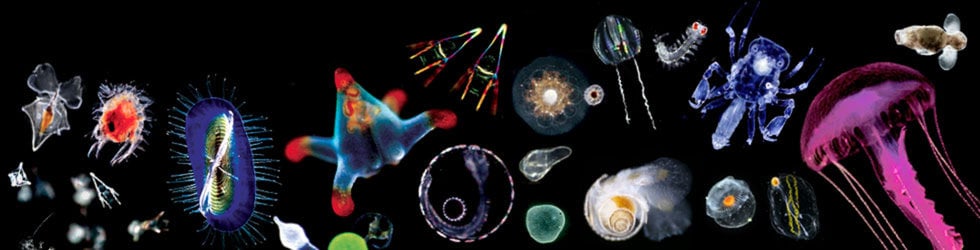
Image: Plankton Chronicles

Image: Plankton Chronicles

Posted in PhdShip, Plankton, Policy, students | Tagged , , | 2 Comments

Force majeure: Will climate change prevent Good Environmental Status in pelagic communities?

North Atlantic marine species are responding to climate change in multiple ways including changes in species distributions (bioegeographical shifts), community composition and alterations to seasonal cycles.  Plankton, with their short lifespans and sensitivity to their surroundings, are particularly responsive to environmental change. While climate change is driving large-scale alterations to our seas, society is recognising the need to manage human activities impacting the marine environment. In Europe, this is happening via the Marine Strategy Framework Directive, the objective of which is to achieve Good Environmental Status (GES) in European seas by 2020 (for more on the MSFD, check out my recent blog post). The simultaneous influence of manageable human pressures and climate change on Europe’s seas presents formidable challenges to EU policy makers and marine scientists:  what are the interactions between climate change and the MSFD descriptors? how can we separate changes driven by climate, unmanageable at the MSFD time scale, from those driven by manageable anthropogenic pressures? and, will climate change prevent the achievement of GES?

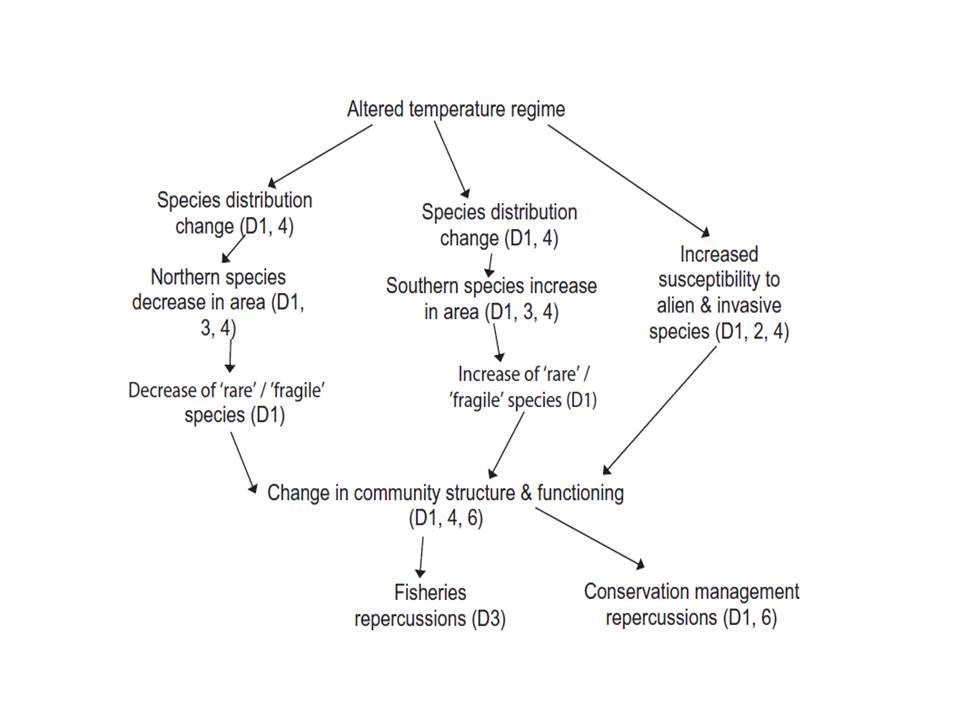
Force majeur spp dist

From Elliott et al 2015: Species re-distribution and community response due to altered temperature regime. MSFD descriptor numbers in parentheses. Descriptor 1 (D1): Biodiversity, D2: Non-indigenous species, D3: Commercial fish, D4: Foodwebs, D6: Seafloor integrity.


In the new paper by Elliot et al (2015) we show how one aspect of climate change (altered temperature regimes) interacts with one aspect of marine ecology (species re-distribution and community response). These effects have been observed in CPR data where we’ve found that marine plankton are responding to warming oceans through biogeographical shifts. So, as North Atlantic sea surface temperature increases, warm-water plankton are shifting northwards, while cold-water taxa are squeezed poleward (Beaugrand et al 2002). The conceptual model shows what we know, or think we know, about this small aspect of climate change influence on the plankton, and in Elliott et al 2015 we provide several such figures examining a range of interactions (I selected this one for here as it is plankton relevant). This model illustrates the complex nature of interactions between climate change and marine ecology, which interact with MSFD descriptors. It is these interactions which foster confusion when setting baselines, defining GES, and constructing environmental targets.

As North Atlantic sea surface temperature increases, warm-water plankton are shifting northwards, while cold-water taxa are squeezed poleward (Beaugrand et al 2002). This is an illustration of a climate-driven biogeographical shift.

The marine ecosystem we see today is different from that of a century ago and different still from what it will be in twenty years. While part of ecosystem change is attributable to anthropogenic pressures, climate change is also a key influence, affecting the temperature, chemistry and hydrology of our seas, and shifting the baselines needed to set targets. This means that ecological targets set today may not be applicable in a decade’s time. If we set, for example, an abundance target representing GES for plankton, or for any other mobile species, how do we account for climate-driven distributional and range shifts in that species which may prevent us from meeting our target? Baselines, and therefore targets, must be dynamic, rather than static, triggering management action only where necessary.

Monitoring is needed to evaluate the current state of the marine environment and to assess progress towards Good Environmental Status targets. If we don’t have a clear picture of our ecosystem and how it’s changing, how will we know if we have indeed achieved GES? Maintaining ecological time-series, particularly those, such as the Continuous Plankton Recorder survey, which are spatially expansive and cost effective, are crucial for providing the data necessary to inform baselines used for target setting and to asses and interpret change. When it comes to managing the marine environment during this time of unprecedented climate change, it is no surprised that gaps in our scientific knowledge exist and there are still many things we don’t understand, such as how climate change affects organisms’ physiology, community interactions and responses to habitat change. While modelling advancements are increasing our knowledge of ecosystem responses to climate change, ecological data, often obtained from monitoring programmes, are needed to further our understanding of many issues.

So, will climate change affect our ability to achieve GES? Is the achievement of GES force majeure – out of our control? There is no doubt (in my mind, as I have previously mentioned on Plankton and Policy) that climate change is the greatest challenge to effective marine environmental management. I don’t think, however, that climate change must prevent achievement of GES. GES is still attainable through the setting of robust targets that accommodate climate change but trigger management action when undesirable change is caused by an anthropogenic pressure. Separating the climate signal from that caused by anthropogenic pressure, however, is not an easy task, and remains a key scientific challenge. Good data is integral to meeting this challenge, giving monitoring programmes like our Continuous Plankton Recorder survey a place to shine.  Actually using this data to set robust targets is another issue still, but that’s the subject for a different blog post (and another paper!).

Abigail, Plankton and Policy

Read more: Elliott, M., Borja, Á., McQuatters-Gollop, A., Mazik, K., Birchenough, S., Andersen, J.H., Painting, S. and Peck, M., 2015. Force majeure: will climate change affect our ability to attain Good Environmental Status for marine biodiversity? Marine Pollution Bulletin, in press.

Posted in biodiversity, Indicators, Marine Conservation, MSFD, Plankton, Policy | Tagged , , , , , , , , | Leave a comment

Monitoring, evaluation and reporting symposium at the AMSA conference

This summer I’m giving a keynote in the ‘Monitoring, Evaluation and Reporting’ symposium of the Australian Marine Sciences Association 2015 conference. The symposium convener, Prue Addison, has written this post on the symposium. It’d be great to see some of you in Australia this summer!

Posted in Uncategorized | Leave a comment

Who cares about the Marine Strategy Framework Directive?

Europe’s Marine Strategy Framework Directive (MSFD) is the most important piece of marine legislation that you have never heard of (unless you’re interested marine conservation). More encompassing than the EU’s Common Fisheries Policy, which is often cited in the news due to its influence on EU Member State fishing quotas, the MSFD addresses multiple aspects of the marine environment which are linked to all European citizens, particularly those of us living near the coast. Though important, expansive and multi-faceted, the MSFD is seldom mentioned in the press and rarely grabs headlines; actually I tried to find any mention of the MSFD in the press while writing this post and only found two brief mentions in the Guardian (one from 2013 and one from 2011). Additionally, I find it shocking how many members of the European marine science community know nothing about this Directive.

The MSFD is a revolutionary piece of legislation – it is unique and truly forward-thinking in nature. Previously, the European marine environment was managed in a piecemeal fashion – Europe had one Directive to manage commercial fish, one for birds, and another for habitats (managing the habitats separately from the organisms who reside in them!). When it came to eutrophication (nutrient pollution) there was a Directive to regulate nitrates, another to regulate phosphates, and a third to manage land-based nutrients and their impacts in coastal waters. As you can imagine, this was not exactly a joined-up approach, and the result was inter-Directive inconsistencies, conflicts and gaps. In the mid-2000s the European Commission recognized the need for a holistic, integrative solution and in 2008 the MSFD came into force. The MSFD is remarkable because it requires the implementation of an ‘ecosystem approach’. An ecosystem approach, though not defined in the Directive itself (sneaky! more on that later), is a management methodology which considers the entire ecosystem, including its human component. In other words, the MSFD isn’t trying to manage European marine ecosystems back to a pristine, and likely unachievable, state, but seeks to achieve marine systems that allow sustainable use while still maintaining structure and function.

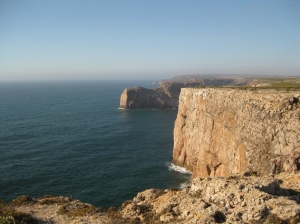
The objective of the MSFD is (deceptively) simple: to achieve Good Environmental Status in European seas by 2020. The Directive does this by setting out 11 high level, qualitative descriptors of Good Environmental Status (GES): Sagres
  1. Biodiversity
  2. Non-indigenous species
  3. Commercial fisheries
  4. Food webs
  5. Eutrophication
  6. Seafloor integrity
  7. Hydrographical conditions
  8. Contaminants
  9. Contaminants in seafood
  10. Marine litter
  11. Energy and noise pollution

A vision of Good Environmental Status must be articulated for each descriptor, environmental targets representing Good Environmental Status set, and indicators developed which can be monitored towards the environmental targets. Management measures (restrictions on activities such as fishing or pollution, establishment of a network of Marine Protected Areas, etc) are then be used to manage human activities in order to reach those targets.

So, all we have to do is figure out what we want the ecosystem to be like, figure out how to get there, and then do it. Simple, right?

But of course – implementation of the MSFD is proving to be far from simple. There are multiple reasons for this, a few of which I’ll outline here. Firstly, the authors of the MSFD were very clever – they used lots of important terms, which have become a part of the vernacular for those of us working at the science-policy interface, without defining their meanings or providing guidance for interpretation in the Directive text! These include ‘Good Environmental Status’, ‘ecosystem-based approach’, ‘ecologically coherent’ network of Marine Protected Areas, and ‘baseline’. The act of articulating Good Environmental Status alone is a minefield – ‘good’ for whom? how good is good? what about ‘good enough’? how about ‘as good as we can afford in an economic downturn’?  (see here for more insights into the societal dilemma of defining visions of GES). The European Commission provides virtually no guidance on defining GES, yet requires European Member States to set legally-binding targets to achieve it. These vagaries have led to much debate in Europe about exact definitions and interpretations, and whether decisions and actions are ‘in the spirit of the Directive’.

Implementation is also complicated because the MSFD is a comprehensive directive, covering many diverse subjects which are linked to various fields of science and disparate commercial sectors. For example, the Directive is meant to complement rather than usurp previous legislation, such as the Water Framework Directive and the Common Fisheries Policy. The actual detail of these inter-Directive relationships is complex. The CFP manages commercial fisheries while the MSFD manages non-commercial fish, the ecological aspects of commercial fish and the critical habitats required by both commercial and non-commercial fish. Grey areas have naturally developed along the boundaries of these two legislative instruments. What if, for instance, the MSFD establishes a habitat protection measure which interferes with commercial fishing activities governed by the CFP? How will the conflict be resolved? From a Water Framework Directive (WFD) perspective – should we use the same indicators of Good Ecological Status as for Good Environmental Status? How much sense does this make with the WFD only applies to waters 1 nautical mile from shore and the MSFD operates at a regional sea scale? Coastal communities are so different from offshore communities, are the same indicators appropriate? Don’t different pressures act at those different scales?

In my opinion, as a scientist who spends almost all of her professional time working on implementation of the MSFD, climate change is the greatest challenge to implementation of the Directive. (My super-scientific measure of ‘greatest’ here is that, in science-policy meetings, we spend more time arguing talking about climate change impacts than we spend arguing talking about anything else). The MSFD is not meant to manage climate change – there is nothing in the MSFD about reducing carbon emissions. Yet, any vision of Good Environmental Status articulated now for Europe’s marine ecosystems must account for the impact of climate change. How could we set a target, for example, of a 50% increase in cod, when cod stocks are under pressure not only from commercial fishing, which we can manage, but also from changes in the habitat and prey due to climate change, which is not manageable at MSFD time scales? As part of the MSFD process we must set targets which accommodate climate change, but trigger management action when not met due to a manageable pressure. Developing indicators and setting targets which are responsive to manageable pressures but robust to climate change is our greatest scientific implementation challenge.

There are many political implementation challenges, but I’ll leave those for another blog post (or five)….

So there are challenges to effectively implementing the MSFD, but these are not insurmountable. The MSFD uses adaptive management which allows the adjustment of indicators and targets as the science progresses, data time-series increase in length, or societal priorities change. This means that if we scientists or policy makers make a decision now which is found later to be incorrect or improvable, we have the opportunity to rectify the problem, whether that means developing a new indicator, setting a more realistic target or strengthening a management measure. We can do something to manage our marine environment now, acting on the information we have currently, whether than waiting until we have ALL the information! Lack of data or lack of a fully developed scientific evidence base is no longer an excuse for inaction. The idea of not being “locked in” to a mistake allows for true learning-by-doing, and ultimately increases the likelihood of achieving Good Environmental Status.

The MSFD is an important piece of European legislation – it’s important to European citizens as well as the scientific and policy communities. The MSFD seeks to restore marine ecosystems where needed and sustainably manage the aspects of the marine environment that European citizens care about – a healthy ecosystem which we can use for commercial and recreational purposes and which will be in as good as or even a better state for future generations than it is now. The MSFD is what will allow our children and grandchildren to dive on biologically diverse reefs, eat native fish, sail on waters free from nutrient pollution, and experience dolphins and whales in their natural habitats.

Can you believe you’ve (probably) never heard of this directive?

Abigail McQuatters-Gollop, Plankton and Policy


The MSFD and I have a long and sordid past, according to social media.


Posted in biodiversity, Knowledge Exchange, Marine Conservation, MSFD, OSPAR, Plankton, Policy | Tagged , , , , , , , , | 19 Comments

UK House of Lords: Regional cooperation key to managing North Sea marine environment

The UK House of Lords has declared the North Sea marine environment under ‘severe pressure’ from human activity and blue growth development. The North Sea urgently requires conservation measures to reduce biodiversity loss from these pressures and protect North Sea ecosystem services while allowing sustainable use by North Sea stakeholders.

The House of Lords, as part of their report on EU regional marine cooperation, has called for the development of a ‘holistic approach’ to managing the North Sea’s marine environment and its economic issues, coordinated by the UK. A political and strategic vision, ensuring sustainable use of the North Sea, should also be developed and delivered. .

So how does this fit in with the EU Marine Strategy Framework Directive (MSFD), which is already meant to holistically manage the EU’s marine waters? International cooperation is crucial for the delivery of Good Environmental Status (GES) through the MSFD. The MSFD requires GES to be obtained not only for Member States’ marine waters, but also at the regional scale. For the North Sea, that means that, potentially, the UK’s marine environment can be assessed to be in GES while that of an adjoining North Sea country may not be. This situation may arise because Member States have each defined their own visions for GES and set their own environmental targets for achievement. These targets, and the corresponding visions for GES, therefore, are different between Member States. On top of this layer of implementation sits the regional implementation, which, for the biodiversity portion of the Directive, is coordinated by OSPAR, the Northeast Atlantic Regional Sea Commission. The MSFD implementation process started first in the Member States with the OSPAR process taking place a few years later, so that, in OSPAR, we are now in the position of trying to define a regional vision of GES, supported by regional indicators and targets, which may be stricter, or less strict, than that of the individual Member States. When progress toward implementation was reviewed by the European Commission in 2013, the North Atlantic region was found to be the most coherent of the European seas when it comes to developing robust and complementary targets and indicators for Member States, but that there is still ‘significant room for improvement’ of this coherence. This process of developing regional targets and indicators requires extreme political sensitivity and depends on cooperation between Member States which may not always have a history of productively working together.

From my perspective as chair of the pelagic habitats expert group for the OSPAR implementation, there are major obstacles challenging us in delivering regionally cohesive MSFD indicators and targets, including a lack of resources for scientists to be involved in policy, political tensions, and differing scientific views. In fact, Darius Campbell from OSPAR mentions the resource-intensive nature of cross-border collaboration in the report, and the European Commission states that funding opportunities are available, through competitive programmes such as Horizon 2020 and INTERREG. Lack of resources is our single biggest barrier to effective MSFD implementation and, while I am glad to see this acknowledged, I hope some action is taken by the European Commission to better fund our work consistently and directly. Project-based funding to implement the MSFD is not realistic – if all the funding put into FP7 and H2020 projects developing MSFD outside of the political process had been put into the actual implementation of the Directive, we’d be much further along today than we are. Those of us leading the implementation work need access to resources that we can use immediately without having to wait for a funding call, then organise a consortium, apply through a resource-intensive proposal process, and then compete against other consortiums, which are less directly involved in the implementation process than we are at OSPAR, for the funding award. The report recommends “that the European Commission prepare and publish guidance on navigating and accessing the existing funding opportunities” which is fine, but we need readily accessible funding for implementation.

CPR research (Beaugrand et al 2002) shows marine plankton responding to warming oceans through biogeographical shifts.

CPR research (Beaugrand et al 2002) shows marine plankton responding to warming oceans through biogeographical shifts. As North Atlantic sea surface temperature increases, warm-water plankton are shifting northwards, while cold-water taxa are squeezed poleward.

The Committee makes further recommendations (full list here, on page 58) including the establishment of a North Sea Stakeholder Forum, to be led by the UK and funded by the European Commission, to increase cooperation amongst North Sea countries when it comes to managing the marine environment. A similar forum model, funded through various INTERREG projects (such as PEGASEAS), has been used in the Channel to bring together French and English stakeholders, citizens and scientists. These Cross-Channel Forums have been successful in developing and disseminating best practices, increasing cohesion and creating a cross-border sense of community. The Cross-Channel Forums, unfortunately, do not have consistent funding, are project-driven, and not guaranteed to continue in the future. I hope if a North Sea Forum is created, adequate funding is provided to ensure its longevity and, therefore, its impact.

I am very proud that the Committee referenced SAHFOS and our work on plankton biogeographical shifts as a key example of climate change pressure on the North Sea. It is amazing to see our work used in such a high profile policy document! Another exciting point – the Committee recommends a cross-border data collection initiative, led by the European Marine Observation and Data Network (EMODnet). I have been involved with EMODnet Biology for a few years now and one of our primary objectives is to make scientific data useful for decision making. EMODnet is the perfect project to handle the huge amount of data needed to cooperatively manage the North Sea, and both SAHFOS and OSPAR are currently collaborating with the project. Hopefully the European Commission will take the Committee’s advice and increase funding for EMODnet.

These are just some of my initial thoughts on reading the House of Lords report. I am glad the conversation is taking place and sincerely hope action is taken on some of the key recommendations.

Abigail McQuatters-Gollop, Plankton and Policy

Posted in biodiversity, Knowledge Exchange, Marine Conservation, Policy | Tagged , , , , , , | Leave a comment

Bill to deal with Lake Erie HABs passes Ohio Senate

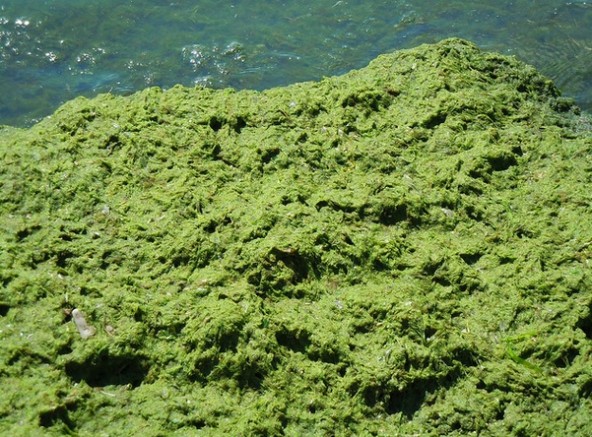
Microcystis2014LakeErieFromFlicker

Intense Microcystis bloom in Lake Erie, August 2014. Photo from Flickr.

In August I wrote a blog post about the extensive eutrophication-induced Harmful Algal Bloom in Lake Erie which made Toledo’s water supply undrinkable and beaches unusable. Those of you who read my original post may remember that I’m from Cleveland, OH, and therefore have a historical interest in Lake Erie’s long-standing eutrophication problem. In fact, I did my undergraduate dissertation on this very subject.

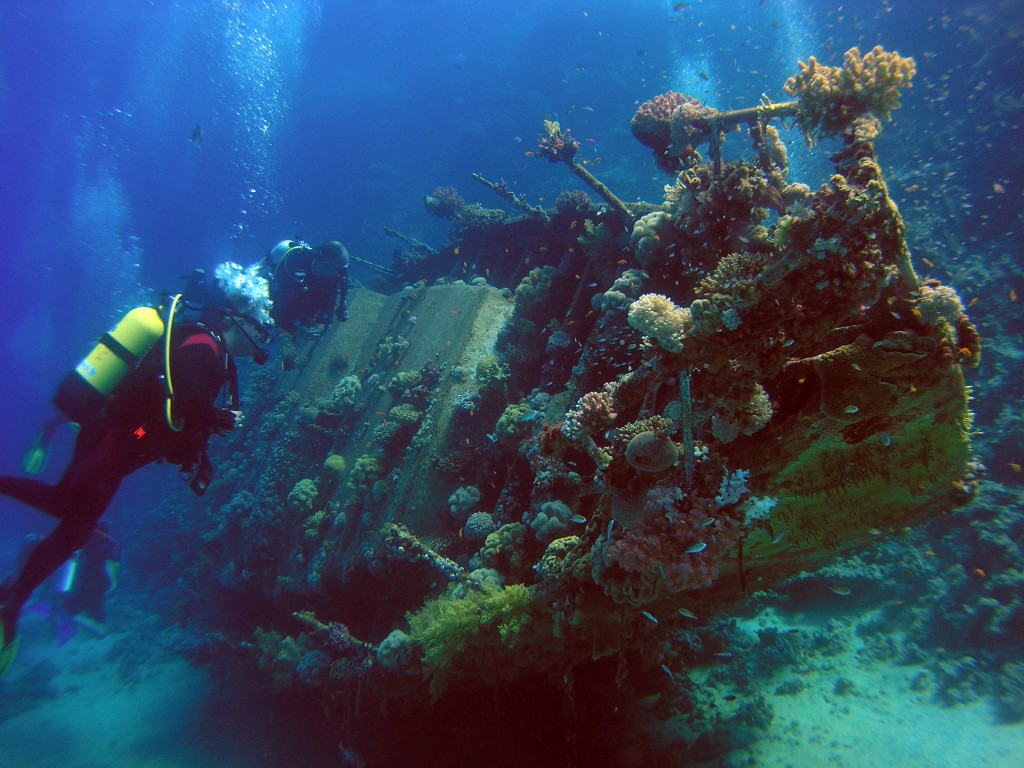
Beautiful Lake Eire diving, photo from http://explorepelee.com/

Beautiful Lake Eire diving. Photo from http://explorepelee.com/

This week I was excited to read that, on February 21st, the Ohio Senate committee approved a bill to tackle the phosphorus-driven HAB problem in Lake Erie. The bill will prevent farmers from spreading manure on frozen and water-saturated fields and will also restrict the dumping of dredged sediment in the lake. I’m happy to see that the Ohio legislature is working towards implementing management measures to remediate HABs in Lake Erie, but this is not a sure thing as the bill still may not pass the Ohio House. My questions is, what took them so long to even start seriously considering such management measures? In the EU manure application amounts and rates have been regulated for more than a decade through our Common Agricultural Policy (CAP) and the regulations of individual Member States’  which my be even more strict than those of the CAP. Plenty of scientific research in the last 20 years have shown that the agricultural sector is the primary sector responsible for the introduction of phosphorus to the Baltic, Black and North Seas and that many eutrophication-driven European HABs were fuelled by excess phosphorus. The good news is that our management measures for agricultural fertilizer application are working and phosphorus levels are decreasing in European seas and rivers.

I hope the bill passes the Ohio House and Lake Erie experiences a similar decline in eutrophication-related symptoms as we’ve seen in Europe, I just wish it hadn’t taken so long for management measures to be implemented.

Good luck, Lake Erie!

Abigail McQuatters-Gollop, Plankton and Policy

Posted in biodiversity, HABs, Knowledge Exchange, Plankton, Uncategorized | Tagged , , , , , | Leave a comment

The end of the line for bluefin?

As a vegetarian, I am obsessed interested in the conflict between eating something because it tastes good and knowing that animals suffer due to to cruel farming practices, species are harvested by environmentally devastating means, or a food species is endangered. I am also a marine scientist, however, and always up for seeing cool marine species. In 2012 I visited Tsukiji fish market in Tokyo, Japan. It was an amazing, fascinating experience and I was floored by

Bluefin at Tsukiji

Bluefin at Tsukiji

wwf-tunapanda

WWF’s excellent campaign against eating bluefin

the number of bluefin tuna for sale. I was insanely excited (guiltily, so) to see a fish which I knew is endangered and which I knew was being sold for food in a way which was completely unsustainable. Why was I so excited? Well, bluefin is legendary, especially that which is sold at Tsukiji fish market where bluefin tuna are sold at auction for thousands, or even tens of thousands (!), of pounds. As I walked around the market, stepping around bluefin carcasses longer than I am tall, I kept thinking ‘Surely everyone knows blue fin is endangered, right?’.  And as I encounter bluefin on menus across Japan, and, less frequently, in the UK or USA I always think ‘Everyone knows bluefin is endangered, right?’. If they are endangered, and everyone knows it, how can so many people, especially fisheries scientists, eat bluefin tuna?

When I returned to Japan in 2014 I asked some Japanese fisheries scientists why they still eat bluefin tuna when it’s well known the species is endangered, and they replied ‘It tastes good’. Today I found what I suspect is a second answer to that question. In a recent blog post by Bruce Buschel, he perfectly described what it’s like to visit the world’s largest fish market, the fate of Tsukiji, and how these things are entwined with the future of endangered bluefin. The post ends with this quote, which reminded me of my experiences at the fish market and my time asking awkward questions of Japanese fisheries scientists:

Back in the USA, I go out for a late-night snack with a chef friend to compare notes on Japan. The owner of a local bistro recognizes the chef and corners him. “Tell me something, chef. Why are customers giving me a hard time for serving bluefin tuna?” The chef gently lays out the statistics about the endangered creature. The owner listens, scratches his head, and then delivers a one-liner worthy of Yogi Berra: “If there’s such a shortage of tuna, how come I see it everywhere?”

Check out Buschel’s excellent blog about the fate of Tsukiji fish market and bluefin tuna: https://medium.com/gone/witnessing-the-last-days-of-blue-fin-tuna-at-the-tokyo-fish-market-4575ff0e7028 

Abigail, Plankton and Policy

Breaking down bluefin at Tsukiji

Breaking down bluefin at Tsukiji

IMG_4324

Bluefin ready to go

Posted in Fisheries, Marine Conservation, Policy, Uncategorized | Tagged , , , , , , , | 4 Comments

Preparing for my next sci-pol Asian adventure!

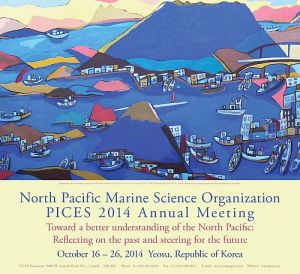
2014-Annual-poster-resNext Friday, Oct 17, I depart for a three week science-policy trip to Asia. Like my Japan trip in May, I’ve been planning this adventure for months. It started when I was invited by Sanae Chiba (JAMSTEC) and David Checkley (Scripps) to speak at the 2014 PICES (the North Pacific Marine Science Organization) Annual Meeting: Toward a better understanding of the North Pacific: Reflecting on the past and steering for the future. Sanae and David’s session, “Use of long time series of plankton to inform decisions in management and policy concerning climate, ecosystems and fisheries”, combines all my favourite aspects of my research (Plankton! Policy! Climate! Fisheries!). PICES 2014 is also in Yeosu, Korea, a place I’ve never visited, so, of course, I immediately accepted their invitation. I’ve met David once or twice, and I am getting to know Sanae increasingly well through her involvement in the Global Alliance of Continuous Plankton Recorder Surveys. She was my hostess in Japan in May, and is one of not very many senior female marine scientists in Japan, a challenging position to obtain, I’m sure. Speaking at PICES is particularly exciting to me as most of my work has concentrated on North Atlantic ecosystems and policy implementation in Europe and I am eager to learn about other management strategies and share Europe’s novel application of the ecosystem approach to managing marine ecosystems. This is also a great opportunity to further expand my network in the Pacific, and catch up with some of the ICES (International Council for Exploration of the Sea – the Atlantic version of PICES) crew who will also be there. I will be speaking about my favourite topic: “The role of plankton time-series in managing our seas in a climate of macroecological change”.

After Korea I will head to Hong Kong, another place I’ve never visited. I’ll be delivering a seminar about using plankton time-series for management to Prof Kenneth Leung’s Aquatic Ecology and Toxicology research group at Hong Kong University. I love seminars because the speakers have more time and we can really get into the topic. It’s always great to have a 40 minute slot, rather than only a 15! I’ve never met Kenny, but we have a mutual friend who put us in touch when he found out I had a few days in Hong Kong. I’d love to see a CPR towed from Hong Kong. Who knows?

After Hong Kong I will take the ferry to Zhuhai, China, for a SCOR 137 – Patterns of Phytoplankton Dynamics in Coastal Ecosystems working group meeting. SCOR is the Scientific Committee on Ocean Research, and I’m a full UK member of working group 137. I am so fortunate to be a part of SCOR and collaborate with the scientists who I referenced throughout my PhD. I have to admit I was a bit star struck at our first working group meeting! SCOR has opened many doors for me and I’ve met an incredible network of scientists through this organisation.

So that’s my plan – 3 countries in three weeks: 1 invited conference talk, 1 seminar, 1 working group meeting, and a lot of plankton and policy. It should be a great trip!

Posted in Knowledge Exchange, Marine Conservation, Plankton, Policy | Tagged , , , , , | 1 Comment

Science-policy at Challenger 2014

So have we all recovered from Challenger 2014?

For those of you who didn’t attend, the 16th biannual Challenger Conference for Marine Science was held in Plymouth last week. It was a fantastic week full of research talks, posters, stimulating discussions and drinking networking.

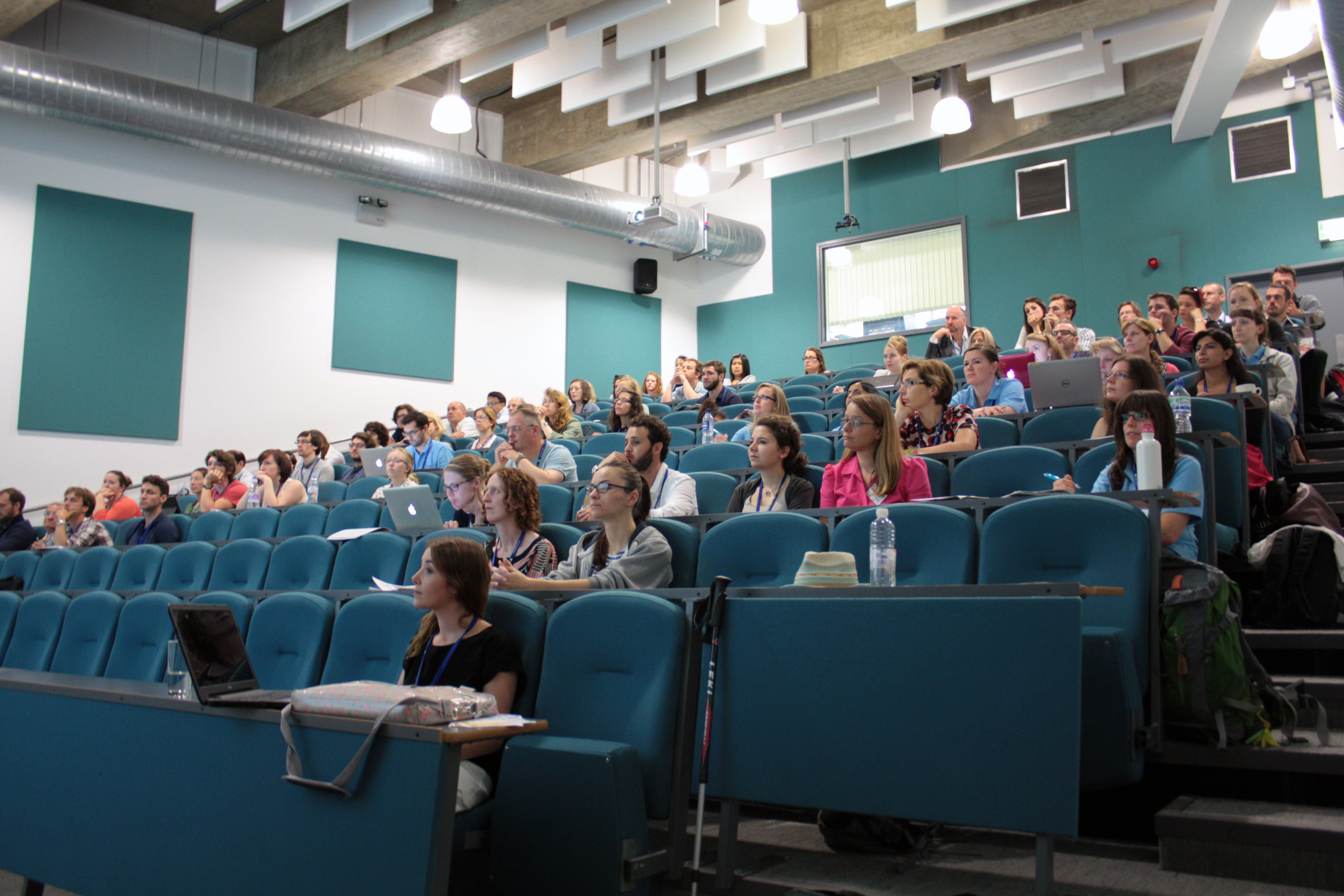
The highlight of my week (besides the conference dinner and 80s flashback disco!) was definitely the marine policy session, which I chaired for the second time. Before my involvement with Challenger began in 2012, to my knowledge the Challenger conference had never featured a marine policy session. In 2012 the policy session was small featuring only a few speakers and attended by about 30 delegates. This year’s session, entitled “Marine Policy – Challenges and Tools for Managing Marine and Coastal Resources”, attracted so many oral abstract applications that some had to be relegated to poster presentations. About 100 delegates attended the session and we had a line-up of eight speakers addressing a variety of policy and management-relevant topics.

Policy Session Challenger 2014

The Challenger delegates love marine policy!

Two broad themes emerged during the session:

Do we have the information we need for decision making?

The question of ‘do we have enough data to make a decision?’ was repeatedly addressed. Jacqueline Tweddle suggested that plankton abundance, composition and dynamics should be considered when selecting wind farm locations. In my opinion, it seems unlikely that wind farms will have much of an impact on plankton, but we might need information on plankton to help track wind farm-induced changes to higher trophic levels. It could even be a positive move to cite wind farms in highly productive areas, thereby protecting vulnerable species from fishing pressure. In her talk about data confidence in MPA site selection, Frances Peckett proposed that we need to make better use of existing data, but we should be clear about our confidence in the data. We can’t just wait until we have more data to construct conservation methods – we need to find a way to use what we’ve already collected. Jennifer Riley stated that uncertainty drives science but freezes the political decision making process. I agree – as we get more information we can change our management plans, but we have to act now if we want to achieve good environmental status – this is the basic principle of adaptive management.

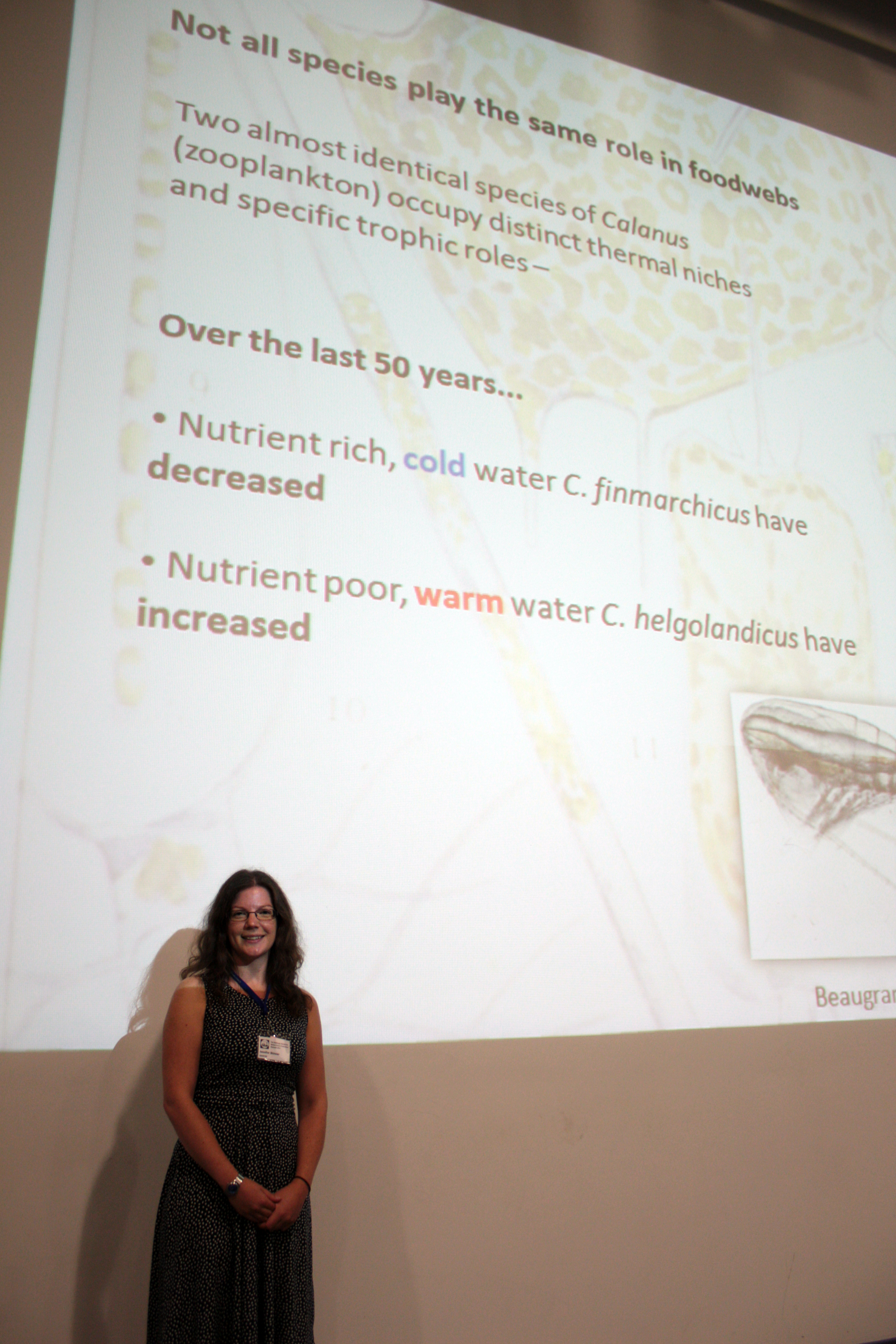
Jennifer Skinner, linking SAHFOS research to policy indicators.

Jennifer Skinner, linking SAHFOS research to policy indicators.

So how much more data do we need? Richard Lampitt examined the strengths and weakness of ocean observing systems (there’s no perfect monitoring system!) and asked the important question ‘Does monitoring the ocean making it more valuable?’ In this time of economic strain, it is getting increasingly difficult to justify sustained ocean observations. Richard pointed out the recent Challenger special issue of Philsophical Transactions of the Royal Society on UK Sustained Observations as an illustration of the worth and range of application, both scientific and political, of time-series data. Nick Owens (SAHFOS) commented that funding for ocean obvs will be most successful if we can prove market value – a depressing, but true, sentiment. Marie Lise Schlappy spoke about the success of Reef Check Australia in training members of the public to voluntarily collect data on the state of Australian coral reefs – a cost effective route to collecting data. This is a stellar example of citizen science – Reef Check has a long time-series on coral health which has been used for assessment and is sensitive enough to detect change.

Lampitt stated that for policy we need knowledge, not just information, and policy makers need to be more willing to invest in people rather than just oceanographic equipment –humans are the ones that convert data into useful knowledge. In her talk Jennifer Skinner linked the importance of proper taxonomy, done by humans not by machines, to the construction of sensitive indicators for policy. While automated instruments can construct bulk plankton indicators (such as phytoplankton biomass from satellites), this information is no replacement for the detailed taxonomic information that can be gained from taxonomic analysis performed by humans. For the Marine Strategy Framework Directive (a major EU marine policy driver) implementation, the OSPAR and UK expert groups have based our policy indicators on species data which can only be obtained by trained taxonomists.  I do not understand why it can be easier to get financial support for shiny new tech than it is for a survey that has produced a consistent and well-cited 80 year biological time-series of data which continually produces policy-relevant science and evidence. If we can’t find a way to fund the next generation of taxonomists, those specialised skills will die out leaving us without the ability to provide the type of sensitive indicators needed for decision making.

How can we effectively communicate with stakeholders?

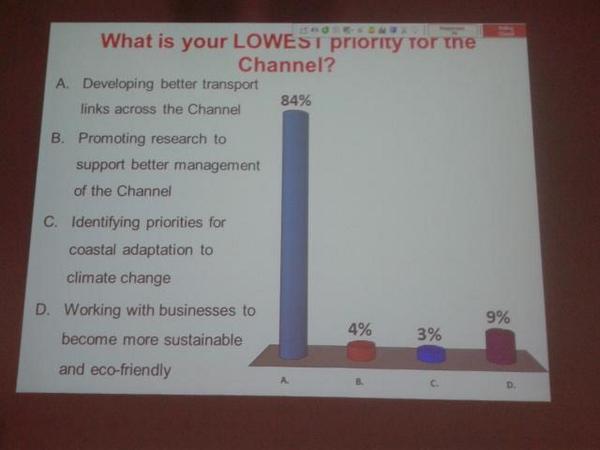
Lowest pri for Channel. Photo N Lacey

Example voting question. Challenger 2014 delegates are not keen on developing better transport links but we do want more policy-relevant research. Photo by Nicola Lacey.

Science is interesting and fun, but what about getting that science used? Jennifer Riley gave an enlightening talk on the process through which science becomes policy evidence in the UK. She highlighted some of the barriers to effective communication with policy makers (such as differing priorities and time scales between scientists and policy makers, each group has its own jargon-filled language, scientists often don’t understand the policy landscape, the two groups have conflicting ideas on how funding should be spent). From the reactions in the room and on Twitter I could tell this was new information for many of the audience member which was fantastic.

Rebecca Shellock and Angela Carpenter delivered Challenger 2014’s only interactive session, which focused on research conducted as part of the INTERREG project Pegaseas. Each audience member was given a voting clicker and we all voted on English Channel-relevant management and use issues. We were then asked to vote on if our opinions, as scientists, would be similar to those of the public. In other words, do scientists have the same point of view as members of the public? The public was also asked this question, and like the Challenger scientists, thought that our views would differ. However – both groups were wrong and it turns out the public have remarkably similar opinions on use and management priorities for the Channel environment. How can we get the public to understand that scientists are themselves members of the public? I think this is a key issue and it’s our responsibility, as scientists, to deliver this message. Social media such as Twitter and Facebook, blogs such as this one, public outreach events, and school visits all play a role, but also citizen science – getting members of the public involved in collecting data can increase their personal investment in the marine environment.

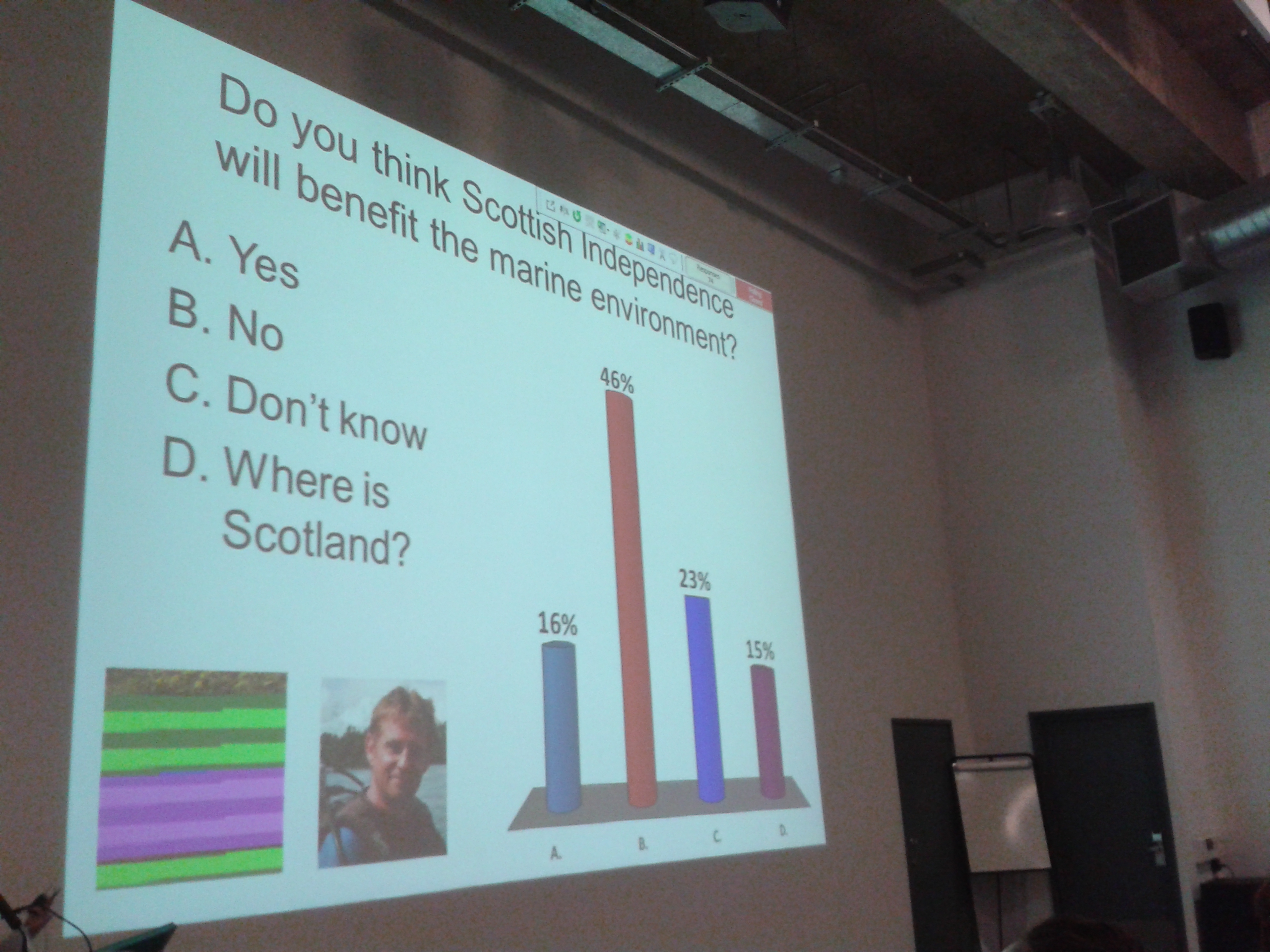
Although it wasn’t part of Shellock and Carpenter’s initial talk, my colleague, Jason Hall-Spencer, and I asked for a special question to be included for voting: Will Scottish independence benefit the marine environment? The delegates’ results are below:

2014-09-09 12.28.21

The controversial question – Jason (pictured) and I (pictured as a stripey box) couldn’t pass up the opportunity to gather opinion on this issue.

Looks like it’s good news for the Scottish marine environment then!

What was your favorite part of #Challenger2014?

If you couldn’t make it to the Marine Policy session, or if you want to relive the day, check out our Storify: https://storify.com/anaturalstate/challenger2014-marine-policy  (works best in Firefox or IE)

Marine Policy session line up:

Marine Policy – Challenges and Tools for Managing Marine and Coastal Resources
Chair: Abigail McQuatters-Gollop, SAHFOS
Presenter Title
Jacqueline Tweddle, Marine Scotland Science The future of managing our oceans: Starting at the bottom of the food-chain?
Richard Lampitt, NOC What’s the value of ocean observations? An analysis for sustained open ocean observatories
Marie Lise Schlappy, Reef Check Australia Informing management through citizen science: Lessons learned from Reef Check Australia
Jennifer Skinner, SAHFOS What value does taxonomy have in modern science and policy?
Frances Peckett, Plymouth Uni Incorporating modelled data confidence in marine planning
Jennifer Riley, NOC Marine science knowledge exchange: Challenges and tools
Rebecca Shellock and Angela Carpenter, Plymouth Uni Conserving the Channel Environment: Marine governance matters


Posted in Challenger, Marine Conservation, Policy | Tagged , , , , , , | Leave a comment

Challenger’s Phil Trans special issue and #Challenger2014!

The Challenger Society for Marine Science’s special issue of Philosophical Transactions of the Royal Society has been published! The special issue is entitled A Prospectus For UK Marine Sustained Observations and consists of papers arising from Challenger’s 2013 meeting of the same name, which was held at the Royal Society in London in September 2013. My two colleagues and I had the idea to organise the Prospectus while discussing the future of UK time-series data sets in this time of economic uncertainty. We teamed up with SCOR and the Royal Society and to deliver a brilliant one da????????y event celebrating the UK’s successes in marine monitoring. The three of us acted as guest editors for the special issue, reading and rereading each paper, chasing authors and hunting down reviewers. The process took nearly a year, but the special issue reflects the scope and passion of the Prospectus itself and it’s incredibly satisfying to finally see it in print (yes, print – the Royal Society sent me an actual hard copy!). I particularly love the introductory paper ‘Sustained UK marine observations. Where have we been? Where are we now? Where are we going?’ by SAHFOS director Prof Nicholas Owens. It’s a conversational look at the history of sustained observations in the UK, dating back even earlier than Stonehenge. It’s not your normal scientific paper! I hope you’ll check out our special issue – if you are at #Challenger2014 you’ll find an advert in your delegate bag.

And that brings me to another exciting Challenger development – this week is the biennial Challenger Society for Marine Science conference and Plymouth is hosting! If you don’t know, Challenger is a learned society which acts as the voice of the UK marine science community. Every two years Challenger puts on a huge scientific conference; uniquely, the Challenger conferences focuses on early career scientists, with 75% of presentations and posters delivered by PhD students or those within only a few years of receiving their PhD. Even most of the chairs and key note speakers are early career scientists and there is an early career networking event on Wednesday afternoon. I love being involved in an organisation that supports early career scientists – I’m grateful for the mentoring and support I’ve had in my career and I want up-and-coming scientists to receive the same benefits.

Because the conference is in Plymouth and because I’m on the Challenger Society’s governing council, I’m also on the conference’s local organising committee. We’ve spent almost two years putting together this event and it’s great to see that nearly 300 delegates have registered. On Tuesday morning I’m chairing a session entitled ‘Marine Policy – Challenges and Tools for Managing Marine and Coastal Resources’. My colleague Jennifer Skinner is presenting our recent work on ‘What value does taxonomy have in modern science and policy?’, a topic close to my heart due to my role at SAHFOS. I’m also presenting a poster in my session (board number 60 – come check it out). I’m particularly excited about Tuesday night’s Plymouth Medal Lecture which will be delivered by Prof Ian Boyd – Defra’s chief scientist. It’s not often that a headline talk at an oceanographic conference is about the science-policy interface! I’ve also got friends presenting keynotes, one of my students is a volunteer, SAHFOS colleagues are presenting posters and talks, and we’ve organised some great social events. We designed the traditional Wednesday night Challenger conference pub crawl route today at registration – and it will be awesome.  I’m proud to show off Plymouth and I’m proud to be a part of Challenger. This is going to be a great week!

Have a top #Challenger2014!


Posted in biodiversity, Challenger, Indicators, Knowledge Exchange, Marine Conservation, Policy | Tagged , , , , , | Leave a comment